

The Global South is Resisting and Defying Trump
Stories of people around the world resisting global systems of oppression
In the early months of 2025, progressives around the world have blocked coups, expelled their colonisers, defied Trump, and more. Subscribe for more stories of resistance.
Reading List
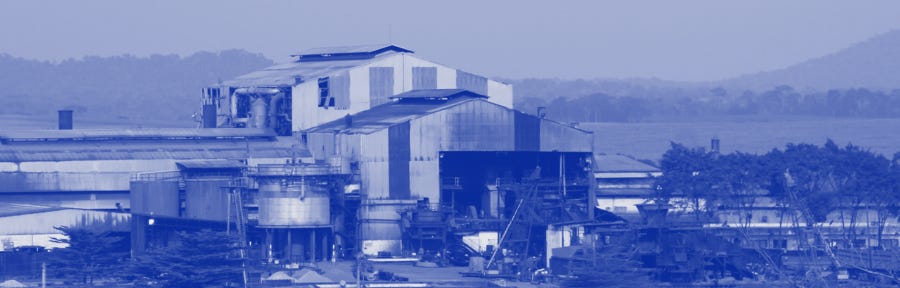
Cameroon’s striking workers win against French sugar giant despite “bloody repression” | Pavan Kulkarni
People’s Dispatch, February 2025
Cameroonian workers took on a French agro-giant responsible for numerous accidents and delayed wages—and they won. Despite repression of union leadership and allied activists, the union initiated a peaceful strike. This was met with violent repression, sparking a rebellion from workers and local residents that saw 150 hectares of sugarcane plantation burned. This brought corporate management to the negotiating table, where workers won wage increases and on-time payments.
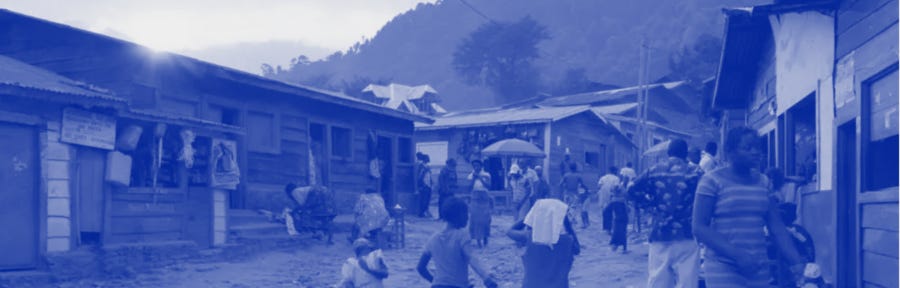
DRC Case Against Apple Brings New Hope in Conflict Minerals Crisis
Radio France Internationale, January 2025
The Democratic Republic of Congo filed criminal charges against Apple subsidiaries in France and Belgium, accusing them of using minerals mined by slave labour and illegally laundered through international supply chains. The case could set a precedent for holding other big tech companies accountable for perpetuating violent conflict and labour exploitation in their supply chains.
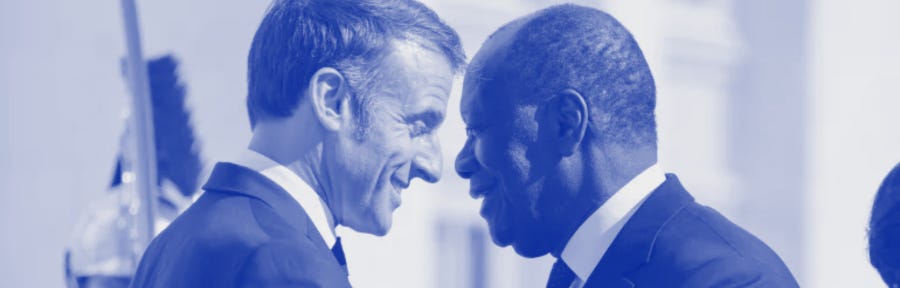
Frexit: Why Ivory Coast Is Joining African Campaign To Expel French Troops | Shola Lawal
Al Jazeera, January 2025
The Ivory Coast is the sixth African country since 2021 to expel French troops, signalling the waning military and diplomatic influence of the colonial power in the region. This decision comes on the heels of mass protests across Francophone Africa against continued French interference in the economies and political institutions of their former colonies.
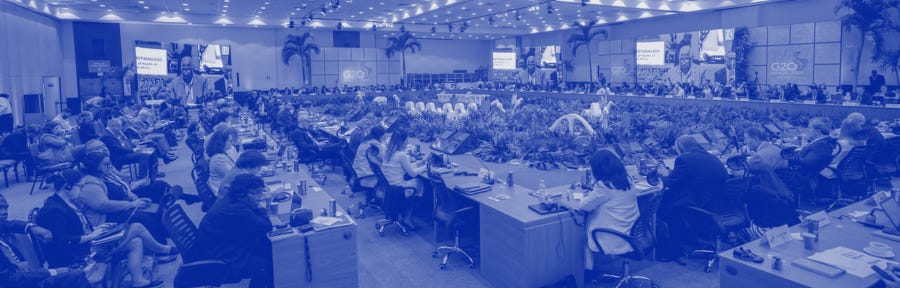
Brazil Brings Technology Transfer into the G20 Fold | Bianca Carvalho & Priti Patnaik
Geneva Health Files, November 2024
Many of the world’s essential medical products are manufactured in a handful of countries, leaving the rest dependent on imports. COVID-19 export bans and supply chain interruptions left millions without access to vaccines, medicines, and PPE, highlighting how vulnerable countries are when they can’t manufacture their own critical health supplies. Brazil, which assumed the G20 presidency last year, is spearheading efforts to facilitate technology transfer to import-dependent countries to boost their productive capacity and improve global health equity.
The proposed transfers are, however, voluntary, so the participation of high-income countries—where pharmaceutical lobbies exert outsized political influence—is far from guaranteed.
This article is paywalled but Geneva Health Files offers seven-day free trial subscriptions.

Union Win on Tax Transparency in Australia Is a Victory for Workers Everywhere
Public Services International, November 2024
Labour unions have successfully pushed for legislation requiring major companies operating in Australia to report their global tax structure and payments, meaning the public can now learn which companies are dodging their tax obligations. This represents the strongest corporate tax transparency measure in the world, opening new possibilities for countries to protect their workers.
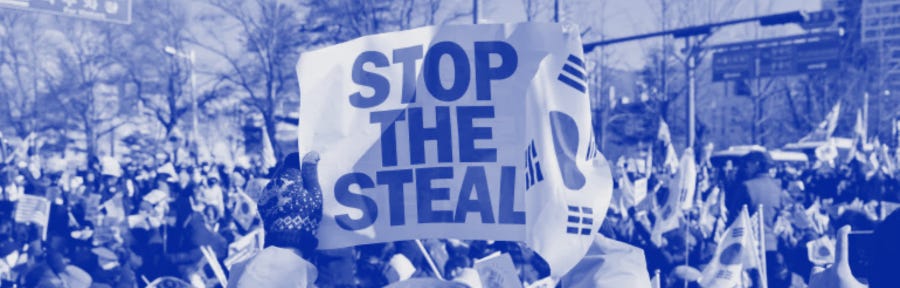
South Korea’s President Yoon arrested: What happened and what’s next
Al-Jazeera, February 2025
South Korea’s far-right president Yoon Suk Yeol was successfully detained after evading arrest for his unsuccessful coup attempt in late 2024. The moment represents a victory for democracy and South Korean people’s movements, though some warn of growing far-right resistance to the arrest. For further reading, we recommend Shin Jin-wook’s profile of right-wing rallies and Kap Seol’s overview of the current political landscape.
More On Electoral Progress
Broad Front’s Yamandu Orsi, President Elect of Uruguay | TeleSUR, November 2024
Uruguay’s center-left Broad Front Party regained power, clinching a narrow victory and promising a return to policies that significantly reduced poverty in the past.
Left-wing alliance wins two-thirds majority in the Sri Lankan parliament | People’s Dispatch, November 2024
Running on an anti-corruption, pro-unity platform, Sri Lanka’s relatively new National People’s Power (NPP) alliance has won a firm parliamentary victory that cements its earlier presidential win.
The Five Star Movement Turns to the Left, Belatedly | Tommaso Nencioni, Jacobin, February 2025
A long-standing populist alliance in Italy seems to be shifting to the left, formally joining an EU-level left group.
More on Movements and Policy
Introducing ‘anti-COP’: A climate summit for activists who are fed up | Tik Root, ICT, November 2024
Activists from around the world hosted a climate summit designed as an antidote to the COP, the annual UN climate conference where participants notoriously arrive on private jets and where civil society is increasingly being sidelined.
Gaza Ceasefire Reveals Israel’s Fragility, and the Transformative Power of Resistance | Abdaljawad Omar, Mondoweiss, January 2025
The ceasefire that paused Israel’s genocide in Gaza last month represents a moral and political loss for the settler colony.
Farmers in India Intensify Battle Against Big Corporates in Agriculture | Abdul Rahman, People’s Dispatch, January 2025
A large-scale farmers’ movement is mounting resistance to a new policy from the far-right Modi government, which would allow large corporations to flood India’s agricultural industry. The broad front has demanded the retraction of the policy and expansion of minimum pricing policies for their goods.
Foreigners in Spain Facing a 100% Tax on Homes As the Country Battles a Housing Crisis | Justin Klawans, The Week, January 2025
Spain’s left-wing Prime Minister has announced plans for a 100% tax on homes bought by non-EU residents, which are often used as Airbnbs and investment properties. Along with other proposals aimed at lowering housing prices, it’s hoped this new tax will make housing more accessible and affordable for residents.
Spotlight
How Global South Countries Are Resisting and Defying Trump
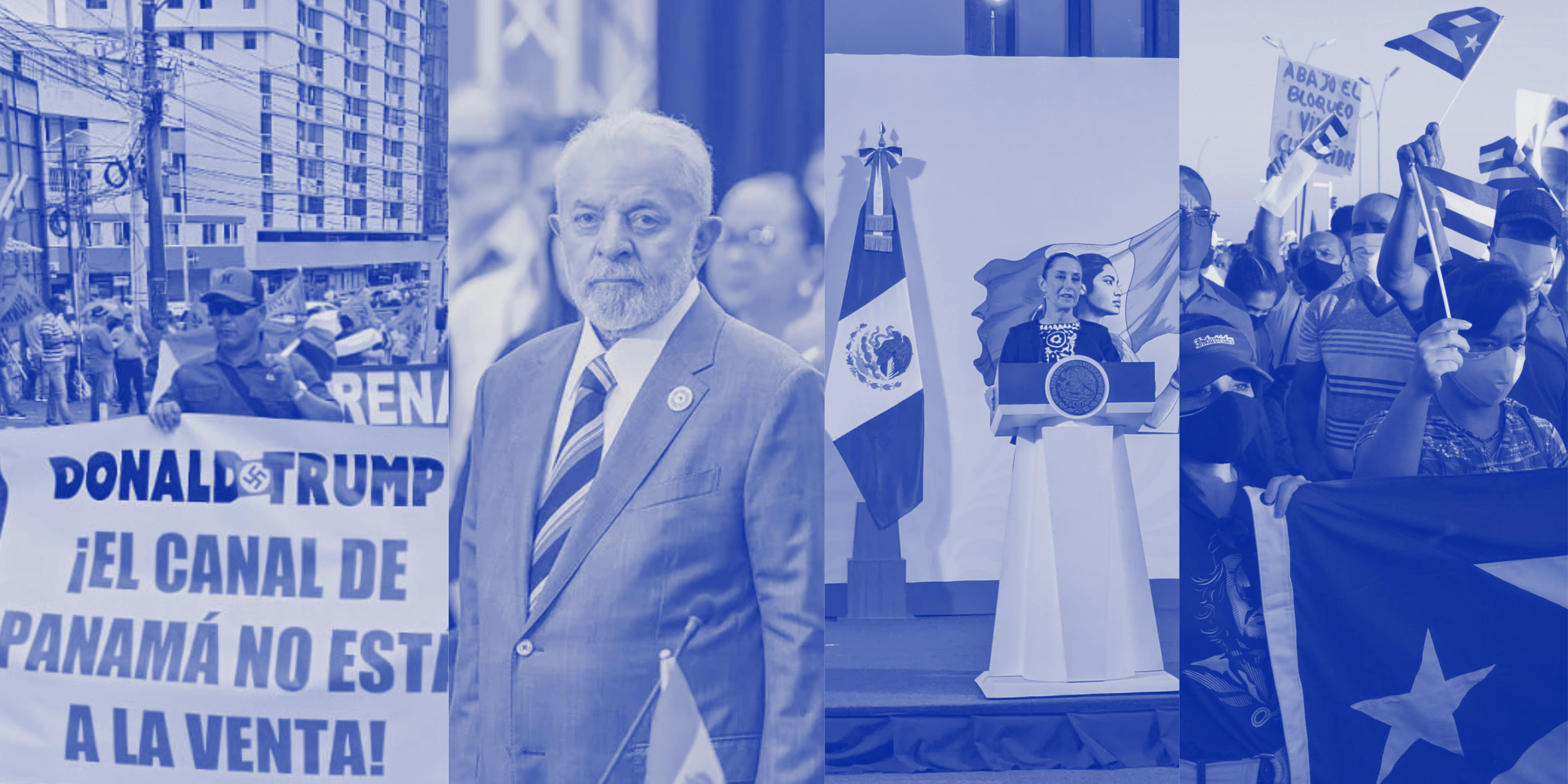
Governments and activists across the global South are mounting resistance to the Trump administration's imperialist and anti-immigration policies, which have devastating implications both within and beyond U.S. borders.
South and Central American countries are trying to protect the rights of migrants under mass deportation efforts:
Mexico announced measures to ensure repatriated nationals are treated with dignity, including centers to receive people being deported, where they will receive food, shelter, medical care money, national IDs, support registering for eligible public services, and transport to their home states. 50,000 jobs will also be created for returnees. The cabinet member responsible for this operation sent a clear message to Mexican nationals at risk of deportation: “You are not alone. You will not be alone.”
Honduras has threatened to close a major U.S. military base and expel over 1,000 U.S. troops in retaliation for Trump’s anti-immigration agenda. The Soto Cano air base is a launchpad for U.S. interference in the region, including propping up the corrupt government of former Honduran President, Juan Orlando Hernandez.
Colombia refused to allow two U.S. military planes carrying deportees to land, with the President stating they would only accept civilian flights because migrants deserve to be treated with dignity. Trump threatened punitive tariffs and sanctions, but after negotiations, Colombia agreed to accept migrants returned under more humane conditions, bringing the two countries back from the brink of a trade war.
Non-Western countries are strengthening relationships with each other to challenge U.S. dominance on the global stage:
The BRICS group of states, which is seen as a counterweight to the Western domination of global governance, just added Indonesia as a full member—a boost for South-South cooperation. Despite U.S. efforts to diplomatically isolate Cuba, the country was admitted as an associate member.
Under Brazil’s leadership, BRICS is seeking to reduce dependence on the U.S. dollar. The Brazilian President was defiant in response to Trump’s threats to impose 100% tariffs on BRICS countries if they create a new currency, saying, “No country, no matter how important, can fight with everyone all the time.”
Civil society around the world is galvanised in opposition to Trump’s punitive foreign policies:
Panamanian trade unions and social movements are mobilising to defend their country’s sovereignty in response to Trump’s threats to seize the Panama Canal.
Cubans are demonstrating in opposition to the United States’ economic sanctions and its inclusion of Cuba in the state sponsors of terrorism list.
Indigenous nations are working to defend Indigenous people who are being racially profiled, harassed, and sometimes detained by ICE agents as part of Trump’s anti-immigration policies.